Acoustic Windows
Acoustic glass windows reduce sound disturbance while also supporting comfort, energy efficiency and security when specified as part of a full Hugo Carter timber window system.


Acoustic Glass Windows
When you invest in acoustic glass windows from Hugo Carter, you become the proud owner of so much more than simply a piece of glass. What is an acoustic sash or casement window, if not a piece of beautiful engineering?
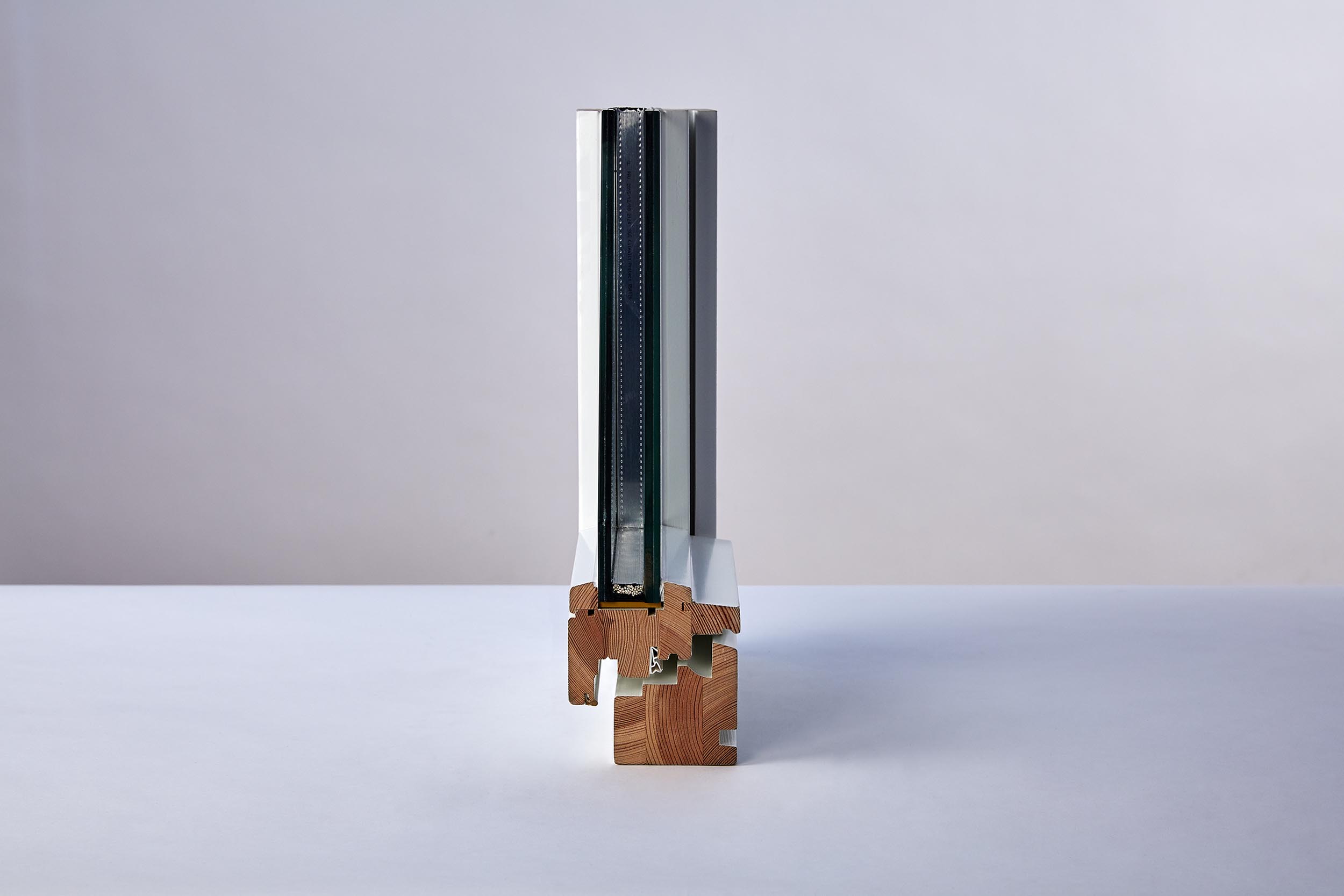
We understand that acoustic windows are a combination of both the acoustic glazing and the frame in which it sits.
So it’s not enough for us simply to deliver a section of glass in a normal frame. The entire design and installation process has to be carried out with the maximum amount of noise reduction in mind.
Our frames, for instance, are constructed from engineered timber. Wood is by far the most effective material when it comes to noise reduction and delivers results superior to hollow aluminium or plastic frames.
Even the sealing between the glass and the frames is a crucial element in the delivery of maximum benefits to you. We use flexible silicone and rubber gaskets to ensure the closest possible fit between the glazing and the timber.
Is this what you are seeking?
- Warm and airtight homeReduce heat loss and make the room feel warmer, calmer and more comfortable through the seasons.
- Sound SleepChoose glazing and timber detailing specified around unwanted noise and everyday peace.
- SecurityUpgrade to robust timber frames, dependable hardware and glazing that supports a safer home.
- Perfect matchKeep the finished window sympathetic to the property with the right sightlines, bars, colour and detail.
Acoustic Glass Windows Problems
Is this what you are experiencing?

Are you fed up with cold and draughts caused by tired or poorly fitting windows?

Are you tired of interrupted sleep because outside noise keeps finding its way in?

Do your current windows leave you questioning the safety and performance of the home?

Do the existing windows let down the character, proportions or period detail of the property?
Our Ranges
Acoustic Glass Window Options


Glazing choice
Why Acoustic Glass Windows?
Acoustic windows are designed to reduce sound levels inside the home, but the glass works best when it forms part of a considered timber window system.
Hugo Carter can specify acoustic glazing around the type of noise you are experiencing, using the right glass make-up, frame detail and installation method for the property.
Alongside quieter rooms, acoustic glass windows can also improve energy efficiency and security.
Acoustic glass needs to be chosen around the noise source and the window system around it. Lamination, glass thickness, frame fit and installation all influence the finished result.
Why choose acoustic glass windows in timber?
Timber makes it easier to tune the proportions, bars, glazing and finish around the property. That gives Hugo Carter more freedom to create a window that looks right and performs properly for the room.
Can these windows improve comfort as well as appearance?
Yes. The same bespoke approach that helps a new window suit the building also allows the glazing, seals and frame detail to be chosen around warmth, acoustic comfort, security and day-to-day usability.
What about installation?
It’s essential that the installation itself is carried out by an experienced team with long expertise in the process. At Hugo Carter, all our team members are trained to know exactly how best to install your acoustic windows in London and further afield.
Hugo Carter Acoustic Windows London are experts in the science of silence. We understand the need for millimetric accuracy when it comes to measuring and fitting your acoustic windows.
Our expertise even extends as far as knowing which type of acoustic glazing to use depending on the type of noise reduction you require.
Ultimately, when you want the best possible noise reduction and soundproofing results from your acoustic windows, you need them to be installed by a team of experts at every stage of the process. Do you want them to be easy to maintain too? Then you should call Hugo Carter.
Do acoustic windows work?
Yes, but you could invest in the best acoustic windows on the market and, if you have old window frames with gaps around the edges where noise can sneak through, you will compromise the effectiveness of your installation.
Acoustic Glass Noise Reduction
The difference between acoustic glass windows and normal glazing can be summed up in one word: lamination.
You may remember from your school days in the science lab that sound travels as waves and, when those waves meet an object, they cause vibrations that in turn generate noise.
When an invisible layer of lamination is applied to a piece of glass, it makes the glass stiffer – acoustic glass thickness means fewer vibrations when sound comes into contact with it.
We enhance this effect by composing our acoustic windows from two panes of laminated glass, delivering an extremely high level of acoustic insulation.
However, it’s not enough for us to deliver the same set of acoustic glass windows to every client. We understand that in this instance, one size definitely does not fit all.
Every one of our surveyors has been trained by experts from the Institute of Acoustics at Southampton University. This training focuses are noise assessment techniques, room acoustics and managing home decibel levels.
The people who visit you to assess which residential acoustic windows are best for your home are masters of their craft. They understand that you may, for instance, need one specification at the front to deal with road noise and a different set of criteria at the rear to block out anti-social noise.
We can create glass that varies both in thickness and number of layers of lamination. Two pieces of thick glass, with up to three layers of lamination, will create a seriously stiff pane that is incredibly efficient when it comes to acoustic reduction.
In some instances, the best outcome might be delivered for you by laminating two pieces of glass of different thickness to stop different types of noise.
The best way to discover the benefits of acoustic glass/windows is to book a consultation with one of our team of expert surveyors.
Click here to view our handle and latch options which are available in different finishes to suit any acoustic glass windows.
Acoustic Double Glazing
If your home suffers from an extremely high level of noise disturbance, you may benefit from fitting acoustic double glazed windows.
Acoustic double glazing for London make a compelling choice where the noise of one of the world’s busiest cities can be particularly persistent in penetrating your home.
The logic is simple. If you install one piece of acoustic glazing, consisting of two panes and one or two layers of lamination, accompanied by a second piece of laminated glass, the result will be an impressive level of noise reduction.
However, one important consideration is the width of the gap between the two sections of glass. What makes double glazing effective is the vacuum in that space – and the wider that gap, the greater the impact of double acoustic double glazed windows is likely to be.
That’s why, in most cases, double glazing is more efficient than triple glazing. If you insert a third pane between the outer layers, the results can be disappointing because you are reducing the breadth of the cavity.
The only cases in which we recommend triple glazed acoustic windows is when the overall gap between exterior and interior is at least five centimetres wide. Only in such instances are the spaces between the layers of glass substantial enough to generate an improvement in noise reduction.
In most instances, therefore, you will get the best results from double glazing. As always, the ideal course of action is to book an appointment with one of our team of expert surveyors.
Acoustic Glass Casement Windows
Casement windows are a timelessly popular choice of installation for housebuilders and homeowners in London and across the UK.
At Hugo Carter, we create and deliver a range of casement windows in five unique styles, each reflecting a traditional era of British architecture.
This means that wherever your property is located and no matter how old it is, we’ll have a design of casement window that will be appropriate to its surroundings.
Installing acoustic installation windows as part of a casement window is a solid option for you if you want to ensure that your windows are stylish, secure and extremely efficient in noise reduction.
However, it is advisable that you take expert advice to ensure that the acoustic windows you choose to deliver maximum efficiency.
A consultation with one of our expert surveyors will deliver peace of mind and reassurance that you will become the owner of an installation that is both attractive and effective.
Acoustic Glass Sash Windows
At Hugo Carter, we’re always happy to deliver exactly what you want in terms of a cost-effective solution that maximises the noise reduction of your windows.
This applies to acoustic glass sash windows. Sash windows are still commonplace in homes all over the UK.
However, there are some crucial considerations to take into account, notably the thickness and weight of the overall installation.
The traditional breadth of Victorian sash window units is 14 centimetres.
If you want acoustic glass in both the upper and lower sash windows, you may have to compromise on the thickness of the glass if you want to ensure that the installation does not protrude into the room.
It’s also important to bear in mind that acoustic windows, which are composed of two panes of glass and one or more layers of lamination, can be very heavy.
Our expert installation team will be able to advise on your options if you have your heart set on acoustic sash windows in your home.
Acoustic Glazed Doors
Doors can play a vital role in adding to the levels of noise reduction you can achieve in your home.
Our choice of patio doors and French doors can be delivered with acoustic glass, making them extremely efficient and highly secure. Check out our range of acoustic doors and windows to see if they are appropriate for your home.
Acoustic Windows Reviews
At Hugo Carter, we pride ourselves on delivering a level of customer service that matches the quality of, we believe, the best acoustic windows with the highest acoustic insulation ratings on the market.
It’s always a pleasure to read the words of delighted clients who have taken delivery of windows that deliver a high glass acoustic performance and make a significant difference to their quality of life.
We’ll let John, a client who posted on Trustpilot in February 2020, take it up from here:
“The new windows from Hugo Carter are fantastic. They look really good due to the care the team took with the installation and they have proved very effective at blocking out nearly all the noise from a nearby High Street, which was very intrusive.
“The team under Tom’s guidance were very professional and efficient. I think it has been a very good investment in my property and would recommend Hugo Carter to anyone suffering noise problems at home.
“Thanks to all concerned.”
Another client, Mr Dickens, wrote in 2019:
“Great customer service, installers were polite and helpful and the windows are great.”
You can read dozens of more reviews of our service left by satisfied customers on Trustpilot at https://uk.trustpilot.com/review/hugocarter.co.uk
Acoustic Windows Cost
Any acoustic glass windows price will obviously vary from property to property. Once our surveyors have made a detailed analysis of your home, they will be able to give you a bespoke quotation based on their visit.
Whatever the price is, it is worth considering the significant benefits you will derive from the addition of acoustic windows to your home. You can read more thoughts here.
Principal among these is, obviously, the noise reduction that will boost your quality of life and add value and appeal to your home when the time comes to move on.
One additional benefit you will notice is in the impact on the cost of keeping your home warm. By installing your acoustic windows with forensic accuracy, Hugo Carter will enhance the insulation of your property.
Less heat will escape and, as a result, you will be able to stay comfortable while using a reduced amount of energy.
You will also experience a greater sense of security when you install acoustic windows. They are extremely tough – that’s why so many jewellers’ shops use them.
Another place you can find acoustic windows is in banks where there is still a layer of laminated glass between the staff and customers.
Indeed, the bank is a perfect place to experience the noise-reduction qualities of acoustic glass. The next time you have to use a microphone to speak to the teller and need a speaker to be able to hear them. Imagine the difference this variety of glass could make to the level of noise in your home.

“I honestly didn’t think it was going to make as much difference as it did.”
Jeremy quickly realised our soundproof windows were the best noise pollution prevention solution available. He was impressed by how smoothly the installation went and by the difference the finished windows made to daily life and sleep.

Investing in Acoustic Windows
Any acoustic glass windows price will obviously vary from property to property. Once our surveyors have made a detailed analysis of your home, they will be able to give you a bespoke quotation based on their visit.
Whatever the price is, it is worth considering the significant benefits you will derive from the addition of acoustic windows to your home.
Principal among these is, obviously, the noise reduction that will boost your quality of life and add value and appeal to your home when the time comes to move on.
One additional benefit you will notice is in the impact on the cost of keeping your home warm. By installing your acoustic windows with forensic accuracy, Hugo Carter will enhance the insulation of your property.
Less heat will escape and, as a result, you will be able to stay comfortable while using a reduced amount of energy.
View our full range of Soundproof Windows

Our Process

Step 1 – Initial Enquiry
Before contacting us, please make sure you have certain details to hand. These include the property location and type, especially if it is a listed building or in a conservation area, the details of your problem and the kind of windows and glazing you currently have. We will make sure we have enough information to plan an effective initial visit.
Step 2 – Initial Visit (Noise Assessment & Pricing Survey)
An acoustic specialist will talk you through your best options and give you an immediate idea of the different noise levels, then advise you on the best route forward. This initial visit is there to clarify the brief and help you understand the options before you commit.
Step 3 – Quotation & Noise Report
Based on the survey completed during the initial visit, our team will email a full costing together with a clear explanation of the suggested solution. We then follow up to answer questions and sense-check the recommendation with you.
Step 4 – Installation Survey
Once you have chosen to proceed, senior surveyors visit to take millimetre-accurate measurements and confirm the best method of installation. This is also where final aesthetic choices such as timber, paint colour and ironmongery are signed off.
Step 5 – Manufacture Updates
During manufacture, our team keeps you updated so you know how the order is progressing and when to expect the next stage.
Step 6 – Installation
When installation begins, the work is carefully managed so the property is protected throughout. The aim is a tidy, controlled installation that delivers the right acoustic, thermal and visual result.
Step 7 – Follow Up
After installation, we follow up to make sure everything is working as it should and to answer any questions you have about making the most of your new windows or doors.


Read our Frequently Asked Questions
What makes Hugo Carter bespoke timber windows different?
Each window is made around the property rather than forced into a standard size or profile. We consider the opening, the age and style of the building, the glazing requirement, the ironmongery and the finish, so the final window feels like it belongs to the home.
Can bespoke timber windows help reduce noise?
Yes. Timber frames, acoustic glazing, specialist seals and careful installation can work together to reduce unwanted noise from roads, rail, aircraft or busy neighbourhoods. The specification depends on the source of the noise and the property itself, which is why the assessment stage matters.
Are timber windows suitable for period homes?
They are often the best choice for period properties because they can be shaped, detailed and finished to respect the original character of the building. Bespoke timber windows are especially useful where standard replacement units would look too modern or out of proportion.
Can you make windows for unusual sizes or shapes?
Yes. Bespoke timber windows can be designed for non-standard openings, including fixed windows, side-hung windows, tilt and turn windows, side swing windows and fully reversible designs. The aim is to solve the practical requirement without compromising the look of the property.
Do you work on listed buildings or conservation area homes?
Yes. Hugo Carter regularly works with homes where the appearance of the windows is sensitive. We can help specify sympathetic timber windows that preserve the character of the property while improving comfort, security and acoustic performance.
How long do hardwood timber windows last?
Well-made hardwood timber windows are built for long service life, especially when they are installed correctly and maintained with care. The exact lifespan depends on exposure, finish and upkeep, but the intention is a durable window that can be repaired and refreshed rather than treated as a disposable product.
Can I choose colours, handles and other details?
Yes. Personalisation is part of the value of a bespoke timber window. Paint or stain colours, glazing bars, handles, fasteners and other ironmongery can be chosen to complement the building and the interior scheme.
What happens before installation?
The process starts with understanding the property, the problem you want to solve and the look you want to achieve. Measurements, product specification and installation details are then checked before the windows are made, helping the fitting stage run smoothly and with minimal disruption.
Arrange a Free Noise Assessment today!
- Schedule a free consultation - We assess your needs & produce the best solution
- Bespoke Design & Installation – Precision-crafted windows, expertly fitted
- Enjoy Peace & Quiet – Experience noise-free living
Fill in the form and we’ll schedule a quiet–focused consultation visit with a sound specialist at your convenience.
Arrange a Free Noise Assessment today!
Your initial visit is a no-obligation consultation with an acoustic specialist, not a salesperson.
- Understand your needs – We discuss the noise affecting your home and the outcome you want.
- Measure the noise – Using an NTi XL2 Acoustic Analyser, we assess key rooms and compare noise levels inside and out.
- Recommend the right approach – We explain the options most likely to help, including alternatives if Silent Windows are not the best fit.
You will have clear information before deciding whether to proceed. Prefer to talk first? Call 0203 908 0008 or read how our process works.