Casement Windows
Each of our window styles was created to suit one of the five main traditions of architecture throughout period Great Britain, and we can make specialty windows to fit your needs as well.


Bespoke Timber Casement Windows
Our casement windows come in five unique styles to ensure that no matter what type of casement window you are looking for, you’re able to get it without sacrificing safety, security, and efficiency. Each of our window styles created to suit one of the five main traditions of architecture throughout different Great Britain periods, and we can make speciality windows to fit your needs as well.
- Contemporary flush casement windows show clean lines for a crisp look
- Conventional flush casement windows provide a more traditional look
- Cottage flush casement windows have less bulk, ensuring easy replacement
- Deco casement windows show the beauty of interwar Britain style
- Tilt-turn casement windows provide both practicality and versatility
Our full range of windows comes pre-painted so you don’t have to worry about painting windows or paying to have them painted.
A full selection of prefab colours means that you will be able to closely match our windows to your colour palette. Handles and fasteners that match these five styles of period homes are also available. These beautiful accents will help add additional grace to your home.
We use modern technology to develop all of our casement windows so you will never have to worry about them warping or twisting.
Our high-quality windows require little to no maintenance over their lifetime and it can provide you with all the quality, security, and efficiency you’ve expected from 21st-century products.
Is this what you are seeking?
- Warm and airtight homeReduce heat loss and make the room feel warmer, calmer and more comfortable through the seasons.
- Sound SleepChoose glazing and timber detailing specified around unwanted noise and everyday peace.
- SecurityUpgrade to robust timber frames, dependable hardware and glazing that supports a safer home.
- Perfect matchKeep the finished window sympathetic to the property with the right sightlines, bars, colour and detail.
Casement Windows Problems
Is this what you are experiencing?

Are you fed up with cold and draughts caused by tired or poorly fitting windows?

Are you tired of interrupted sleep because outside noise keeps finding its way in?

Do your current windows leave you questioning the safety and performance of the home?

Do the existing windows let down the character, proportions or period detail of the property?
Our Ranges
Casement Window Styles
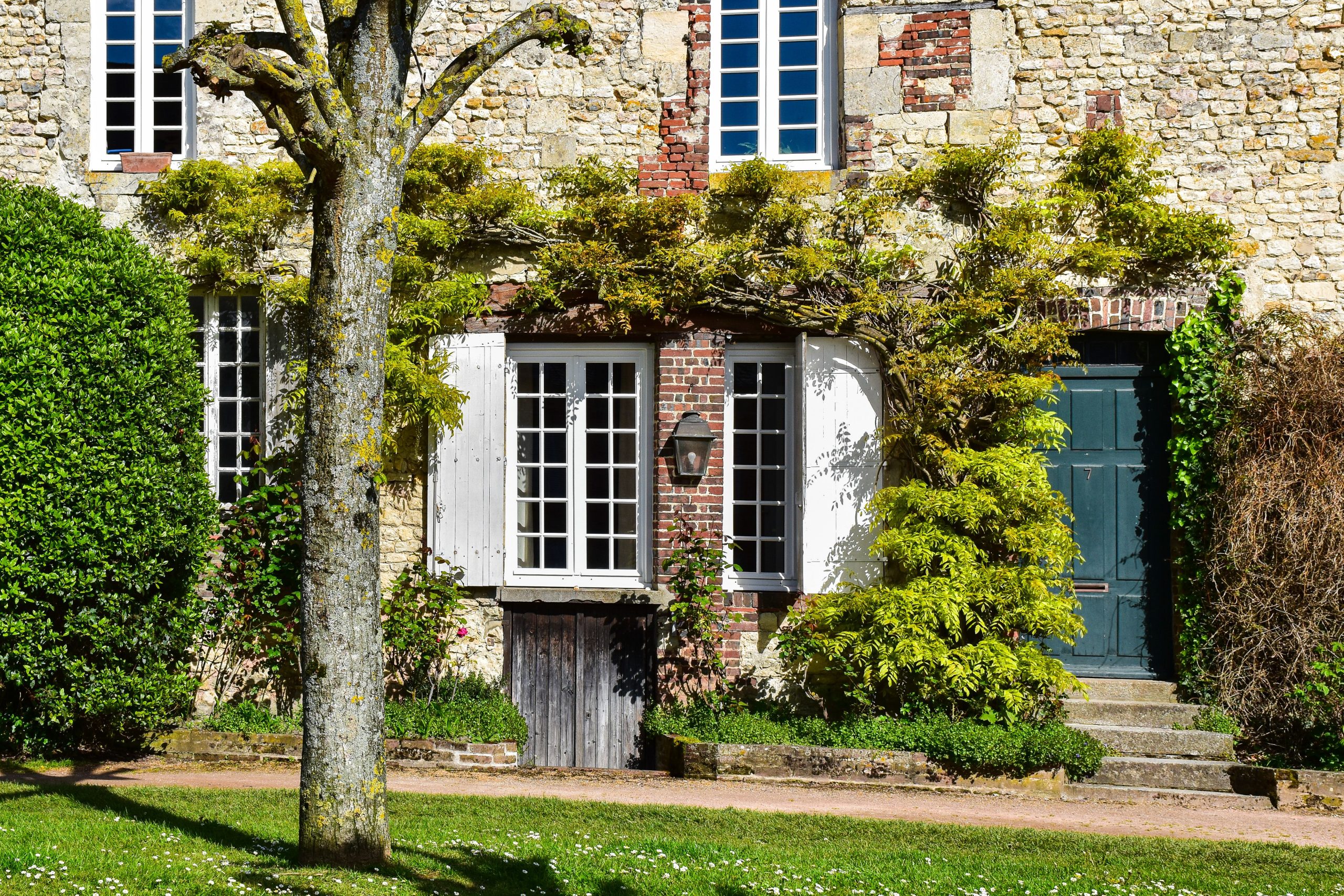
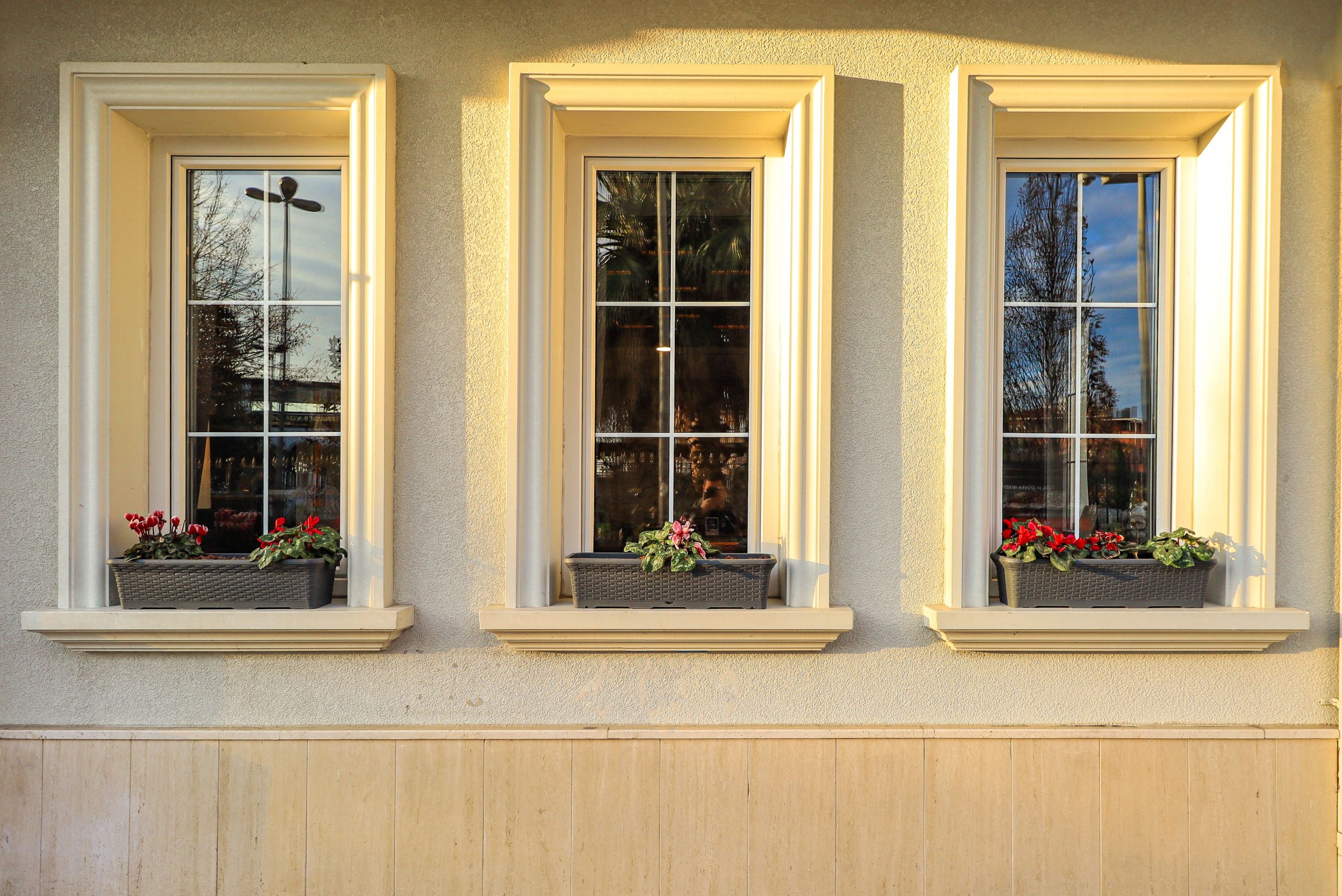
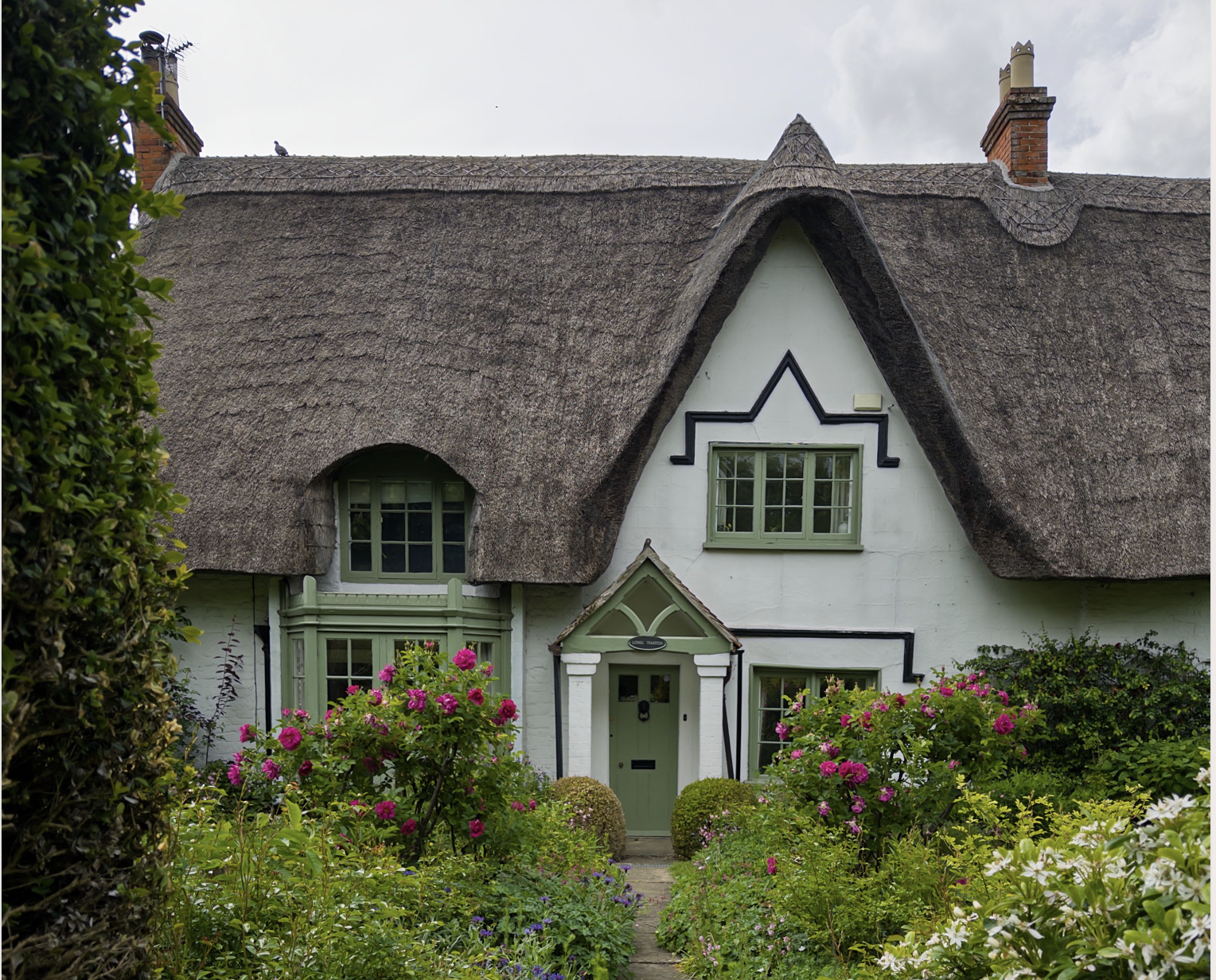
Architectural fit
So why choose our casement windows?
The quality and the ‘fit’ of the products themselves. It’s not just the individual materials or the design process that set our windows apart; it’s also the way our designs are based on an in-depth understanding of specific individual needs.
The expertise that underpins our process. From the initial survey to the point of installation, we offer end-to-end expertise from a team that’s been trained at the Institute of Acoustics.
The range of options we offer. Each of our window styles was created to suit one of the five main traditions of architecture throughout period Great Britain. (These include Contemporary flush, Conventional flush, Cottage flush, Deco and Tilt-turn.)
All the advantages of hardwood timber. With over two and a half times the lifespan of a plastic window, our hardwood timber frames are extremely durable. Weather-resistant, they will never warp; they are also highly energy-efficient, easy to repair, easy to be coloured and completely biodegradable.
With our casement windows, three different scenarios
Typically, we create new casement windows for one of the following scenarios. Understanding which of these scenarios you fall into will help our initial conversation.
- A ‘like for like’ replacement: This is where existing casement windows are replaced by bespoke noise reduction casement windows.
- A ‘high performance’ replacement: Where a high noise reduction is sought, each casement window can be replaced by a high-performance window.
- A secondary window: If it’s not possible to ‘touch’ the existing casement window – often this will be down to conservation issues, or a landlord’s specifications – then we can look at installing a secondary window.
Heritage Range
Our Heritage Range Casement Windows are designed specifically to meet the requirements for your listed building or conservation area home. Constructed with a flush finish, our heritage range wood casement windows close neatly into the window frame, emulating the typical design of medieval, cottage, and modest style period homes.
Our handle and latch options are available in different finishes.
Conservation area homes and listed buildings often require planning permission or other approval before making changes. We work with conservation architects who understand the requirements and specialise in planning applications and can help us ensure a trouble-free window replacement. A wide array of colour choices finishes for glazed panes, and fittings are available to customise your windows to match the original style of your home and even the strictest council requirements.
Conventional Range
Our Conventional Range Casement Windows bring together the best of traditional English casement windows with the latest construction technology. We offer two types of Conventional Range Casement Windows to meet your needs.
The flush casement window closes tightly into the window frame, creating a flat outer surface. Common throughout history in the United Kingdom, flush casement windows were used in all periods and styles, including cottages and medieval buildings.
Lipped casement windows have the highest weather ratings on market and are typically referred to as “storm proof” because they are capable of withstanding exposure to serious weather. The style was introduced in the post-war era and its lipped casement wraps around the outer frame of the window, giving these windows excellent gasket compression.
Cottage Range
Our Cottage Range Casement Windows provide your period home with more efficiency and more lighting, giving it the life it deserves. The flush finish on our windows ensures that you windows close tightly into the frame, creating a flat surface and stopping heat loss. Cottage Range flush finish windows from our collection keep your home warm year round and allow more natural light into your home, reducing your overall utility costs.
Our design focuses on materials reduction. In our Cottage Range, we often use decorative lead to replicate the desired design. Decorative lead can be applied to any window without affecting the thermal value rating of the window. Also, without the need for vertical mullions, we remove a significant amount of material from the sashes and frames, leaving more room for glass, and for light to enter your home.
Whether your home is a traditional cottage or another period style, the slim meeting rails and large panes of glass make our Cottage Range Casement Windows the perfect fit for your style. Replacing your current windows with new Cottage windows from our collection will increase the beauty, security, and efficiency of your home overnight, and for a lifetime.
How much noise reduction can you achieve with casement windows?
By far the best selling Casement Window in London is our 40dB Silent Casement. By comparison, the single glazed timber casement windows they typically replace are only capable of a noise reduction of around 25dB. Furthermore, we are now working on the 45dB model, which is in its final stages of testing.
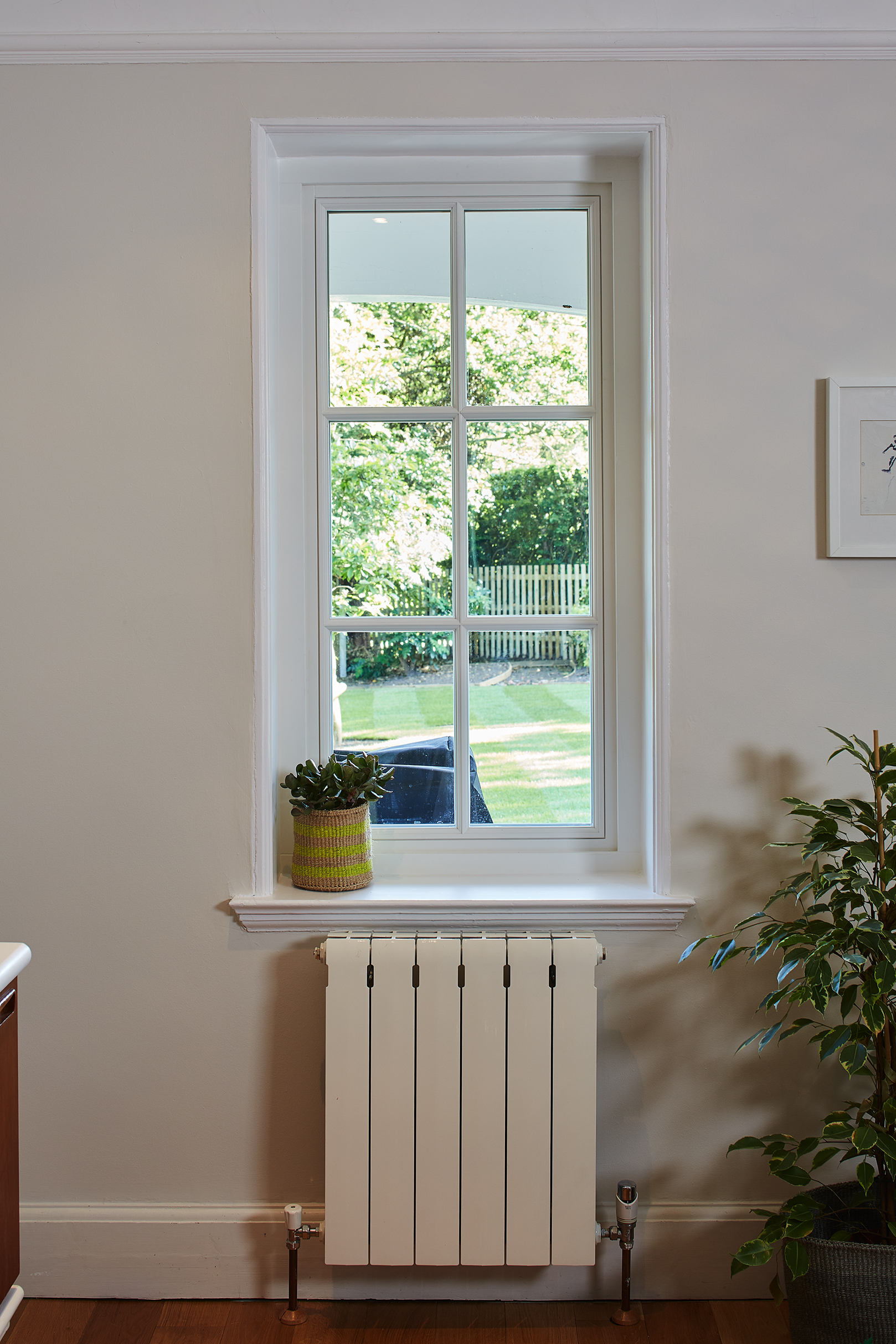
“I honestly didn’t think it was going to make as much difference as it did.”
Jeremy quickly realised our soundproof windows were the best noise pollution prevention solution available. He was impressed by how smoothly the installation went and by the difference the finished windows made to daily life and sleep.

Transform the experience within any property
Would you like to bring a new level of tranquillity to a particular property? Expect to be surprised by the dramatic difference we can make with acoustic soundproofing.
Noise harms. According to the World Health Organisation, those living with noise pollution of over 55dB are likely to suffer health problems. In London, this affects 1.6 million people.
Tranquility heals. Fitting a property with noise reduction windows can have a hugely healing impact on whoever lives or stays there.
You can reduce noise by up to 45dB. This far outperforms what’s possible with ‘regular’ double glazing. Our custom windows are easy to maintain too.
View our full range of Soundproof Windows

Our Process

Step 1 – Initial Enquiry
Before contacting us, please make sure you have certain details to hand. These include the property location and type, especially if it is a listed building or in a conservation area, the details of your problem and the kind of windows and glazing you currently have. We will make sure we have enough information to plan an effective initial visit.
Step 2 – Initial Visit (Noise Assessment & Pricing Survey)
An acoustic specialist will talk you through your best options and give you an immediate idea of the different noise levels, then advise you on the best route forward. This initial visit is there to clarify the brief and help you understand the options before you commit.
Step 3 – Quotation & Noise Report
Based on the survey completed during the initial visit, our team will email a full costing together with a clear explanation of the suggested solution. We then follow up to answer questions and sense-check the recommendation with you.
Step 4 – Installation Survey
Once you have chosen to proceed, senior surveyors visit to take millimetre-accurate measurements and confirm the best method of installation. This is also where final aesthetic choices such as timber, paint colour and ironmongery are signed off.
Step 5 – Manufacture Updates
During manufacture, our team keeps you updated so you know how the order is progressing and when to expect the next stage.
Step 6 – Installation
When installation begins, the work is carefully managed so the property is protected throughout. The aim is a tidy, controlled installation that delivers the right acoustic, thermal and visual result.
Step 7 – Follow Up
After installation, we follow up to make sure everything is working as it should and to answer any questions you have about making the most of your new windows or doors.


Read our Frequently Asked Questions
What makes Hugo Carter bespoke timber windows different?
Each window is made around the property rather than forced into a standard size or profile. We consider the opening, the age and style of the building, the glazing requirement, the ironmongery and the finish, so the final window feels like it belongs to the home.
Can bespoke timber windows help reduce noise?
Yes. Timber frames, acoustic glazing, specialist seals and careful installation can work together to reduce unwanted noise from roads, rail, aircraft or busy neighbourhoods. The specification depends on the source of the noise and the property itself, which is why the assessment stage matters.
Are timber windows suitable for period homes?
They are often the best choice for period properties because they can be shaped, detailed and finished to respect the original character of the building. Bespoke timber windows are especially useful where standard replacement units would look too modern or out of proportion.
Can you make windows for unusual sizes or shapes?
Yes. Bespoke timber windows can be designed for non-standard openings, including fixed windows, side-hung windows, tilt and turn windows, side swing windows and fully reversible designs. The aim is to solve the practical requirement without compromising the look of the property.
Do you work on listed buildings or conservation area homes?
Yes. Hugo Carter regularly works with homes where the appearance of the windows is sensitive. We can help specify sympathetic timber windows that preserve the character of the property while improving comfort, security and acoustic performance.
How long do hardwood timber windows last?
Well-made hardwood timber windows are built for long service life, especially when they are installed correctly and maintained with care. The exact lifespan depends on exposure, finish and upkeep, but the intention is a durable window that can be repaired and refreshed rather than treated as a disposable product.
Can I choose colours, handles and other details?
Yes. Personalisation is part of the value of a bespoke timber window. Paint or stain colours, glazing bars, handles, fasteners and other ironmongery can be chosen to complement the building and the interior scheme.
What happens before installation?
The process starts with understanding the property, the problem you want to solve and the look you want to achieve. Measurements, product specification and installation details are then checked before the windows are made, helping the fitting stage run smoothly and with minimal disruption.
Arrange a Free Noise Assessment today!
- Schedule a free consultation - We assess your needs & produce the best solution
- Bespoke Design & Installation – Precision-crafted windows, expertly fitted
- Enjoy Peace & Quiet – Experience noise-free living
Fill in the form and we’ll schedule a quiet–focused consultation visit with a sound specialist at your convenience.
Arrange a Free Noise Assessment today!
Your initial visit is a no-obligation consultation with an acoustic specialist, not a salesperson.
- Understand your needs – We discuss the noise affecting your home and the outcome you want.
- Measure the noise – Using an NTi XL2 Acoustic Analyser, we assess key rooms and compare noise levels inside and out.
- Recommend the right approach – We explain the options most likely to help, including alternatives if Silent Windows are not the best fit.
You will have clear information before deciding whether to proceed. Prefer to talk first? Call 0203 908 0008 or read how our process works.