Soundproof Windows
Hugo Carter soundproof windows are bespoke timber sash and casement solutions for homes affected by traffic, aircraft, nightlife and city noise, especially across London.


Bespoke Soundproof Windows
Whilst it’s great to live as close to the city as possible, the reality of noise pollution is a genuine struggle, and we’re delighted we can help with a total solution installation.
We do get a lot of enquiries from people asking just how much of a difference soundproof windows make. The fact is that noise and sound levels are a complicated science based on a logarithmic scale. This can become really confusing, so the question is, what difference can you expect from installing soundproof windows?
Measured in decibels, a sound is a pressure wave that propagates through the air: the more power in the wave, the louder the sound.
The decibel scale, like the Richter scale, increases as a multiple ten. If you say a sound of 10 dB has a power value of 10, a sound of 20 dB has a power value of a 100 – it follows that a noise of 30 dB has a power value of 1,000.
Still a little confused? Our noise reduction explanation below should help:
Installing our total solution guarantees a whopping reduction in noise pollution of at least 1000%, often offering far greater reduction based upon the bespoke system that will be installed on your property.
There’s not really any better way to demonstrate the effectiveness of noise reduction windows than to show them in action, so have a quick look at the video below in order to truly understand the effects of soundproof windows on a busy London street.
Is this what you are seeking?
- Warm and airtight homeReduce heat loss and make the room feel warmer, calmer and more comfortable through the seasons.
- Sound SleepChoose glazing and timber detailing specified around unwanted noise and everyday peace.
- SecurityUpgrade to robust timber frames, dependable hardware and glazing that supports a safer home.
- Perfect matchKeep the finished window sympathetic to the property with the right sightlines, bars, colour and detail.
Soundproof Windows Problems
Is this what you are experiencing?

Are you fed up with cold and draughts caused by tired or poorly fitting windows?

Are you tired of interrupted sleep because outside noise keeps finding its way in?

Do your current windows leave you questioning the safety and performance of the home?

Do the existing windows let down the character, proportions or period detail of the property?
Our Ranges
Soundproof Window Options
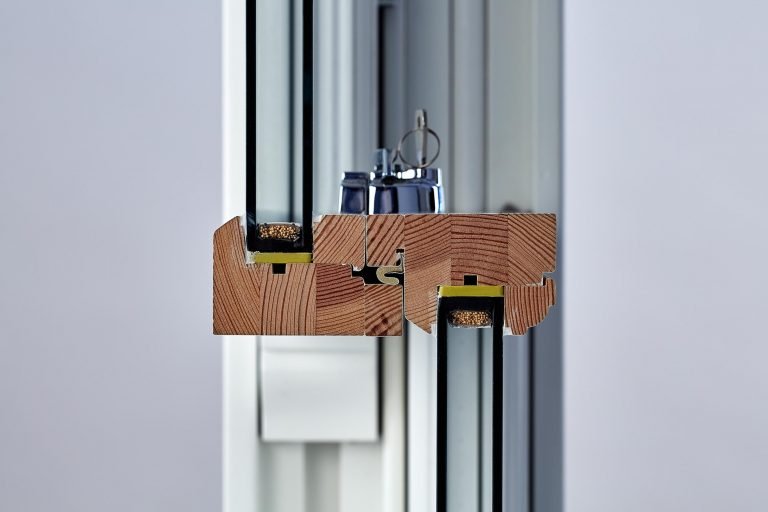

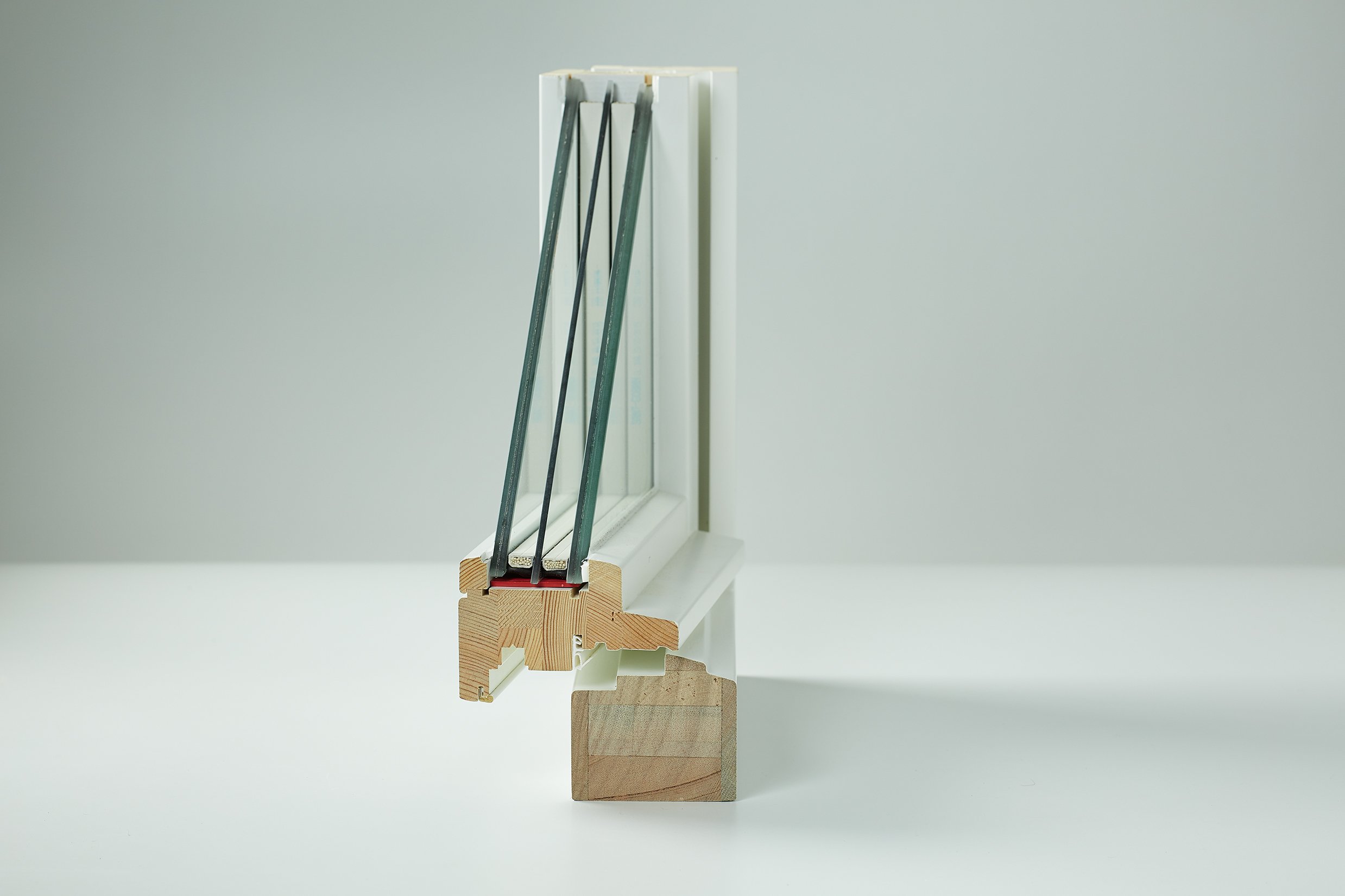
Complete system
So why choose our soundproof windows?
The quality and the ‘fit’ of the products themselves. It’s not just the individuals, materials or the design process that set our windows apart, it’s also the way our designs are based on an in-depth understanding of specific individual needs.
The end-to-end support of experts. From the initial survey to the point of installation, we offer a continuum of expertise from a team that’s been trained by experts at the Institute of Acoustics.
Our range of options. We offer four ranges of sash windows – heritage, conventional, slim, or spring. Also, whether you need a special window feature, a bay window, some type of casing or a specially designed box sash, we can provide it.
All the advantages of hardwood timber. Lasting between 60 and 80 years, they have over two and a half times the life-span of a plastic window. Weather-resistant, our hardwood timber frames will never warp. In addition, they are energy-efficient, easy to repair, completely biodegradable, and very easy to be coloured.
Why choose soundproof windows in timber?
Timber makes it easier to tune the proportions, bars, glazing and finish around the property. That gives Hugo Carter more freedom to create a window that looks right and performs properly for the room.
Can these windows improve comfort as well as appearance?
Yes. The same bespoke approach that helps a new window suit the building also allows the glazing, seals and frame detail to be chosen around warmth, acoustic comfort, security and day-to-day usability.

“It has made a massive difference to soundproofing in our home and the process of installing it could have been really painful but it was really smooth and really easy…”
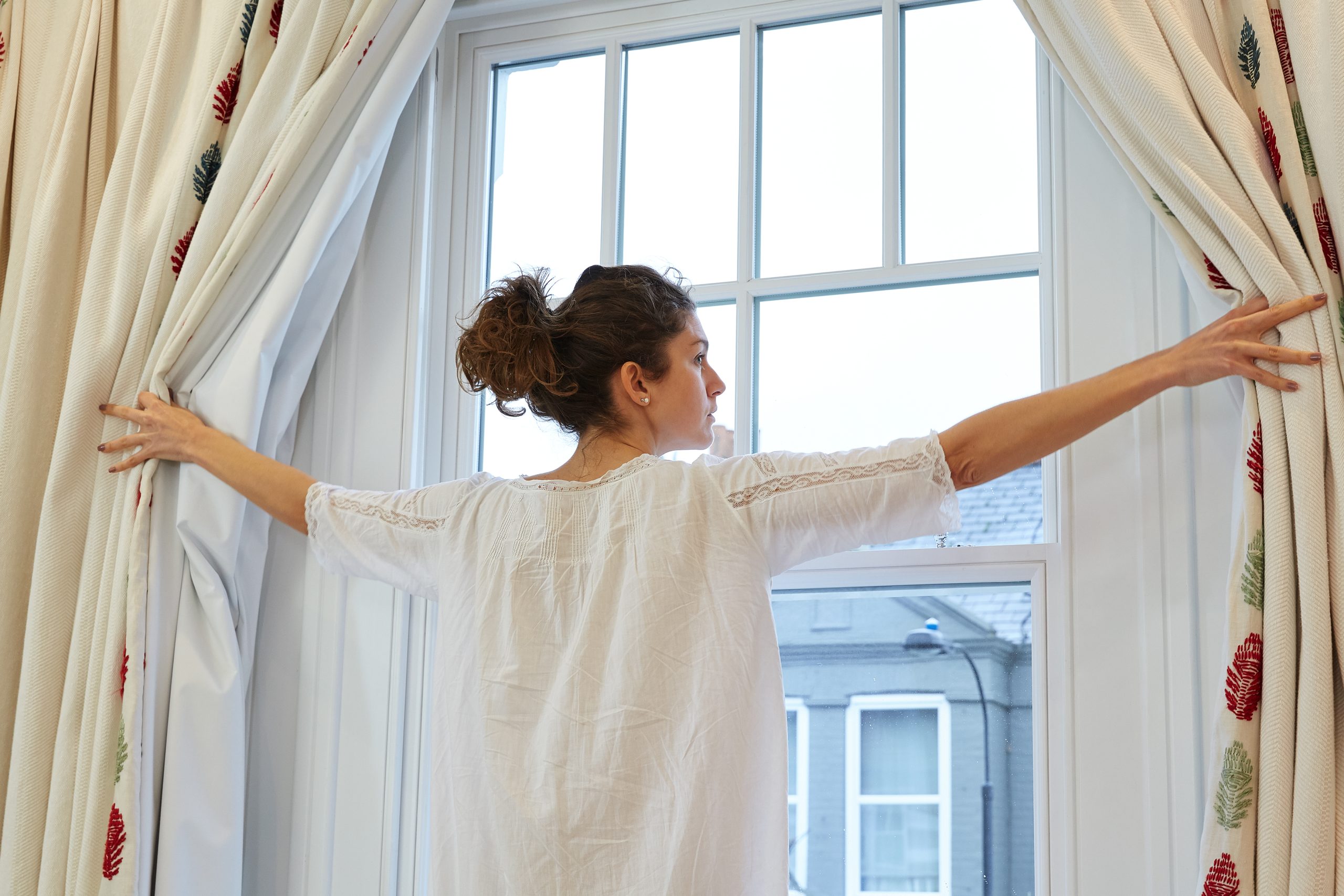
Melanie decided to investigate soundproof windows as a replacement for period draughty, rickety, single-glaze windows that let in a lot of road noise. Noise reduction windows would, she hoped, cut out the noise pollution from cars and buses that were keeping the family, including her two young daughters, awake at night.

Every one of our soundproof windows is bespoke
Whether you’re a homeowner, a hotelier or an architect, the specific windows we’ll create for you will be unique. That’s because, at the outset we don’t just measure the space, we measure the noise. We take into account different logistical factors along with your aesthetic choices.
See which of these statements is the closest fit for you.
“I’m keen to replace like with like… sash with sash.”
“There’s a planning permission issue; I can’t touch the existing windows.”
“I want to know what’ll fit best with this property and also with my refurb ideas.”
“It’s a new build – so I’m open to exploring the very best options.”
Whichever the case, we’re here to talk you through your choices below.
With our soundproof windows, three different scenarios
Typically, we create new sash windows for one of these scenarios. Understanding these will help our initial conversation.
A ‘like for like’ replacement: This is where existing sash windows are replaced by bespoke noise reduction sash windows.
A ‘high performance’ replacement: Where a high noise reduction is sought, each sash window can be replaced by a high-performance window that looks like a sash window, but actually opens out like a casement window.
A secondary window: If it is not possible to ‘touch’ the existing sash window – often this will be down to conservation issues, or a landlord’s specifications – then we can look at installing a secondary window.
View our full range of Soundproof Windows

Our Process

Step 1 – Initial Enquiry
Before contacting us, please make sure you have certain details to hand. These include the property location and type, especially if it is a listed building or in a conservation area, the details of your problem and the kind of windows and glazing you currently have. We will make sure we have enough information to plan an effective initial visit.
Step 2 – Initial Visit (Noise Assessment & Pricing Survey)
An acoustic specialist will talk you through your best options and give you an immediate idea of the different noise levels, then advise you on the best route forward. This initial visit is there to clarify the brief and help you understand the options before you commit.
Step 3 – Quotation & Noise Report
Based on the survey completed during the initial visit, our team will email a full costing together with a clear explanation of the suggested solution. We then follow up to answer questions and sense-check the recommendation with you.
Step 4 – Installation Survey
Once you have chosen to proceed, senior surveyors visit to take millimetre-accurate measurements and confirm the best method of installation. This is also where final aesthetic choices such as timber, paint colour and ironmongery are signed off.
Step 5 – Manufacture Updates
During manufacture, our team keeps you updated so you know how the order is progressing and when to expect the next stage.
Step 6 – Installation
When installation begins, the work is carefully managed so the property is protected throughout. The aim is a tidy, controlled installation that delivers the right acoustic, thermal and visual result.
Step 7 – Follow Up
After installation, we follow up to make sure everything is working as it should and to answer any questions you have about making the most of your new windows or doors.



Read our Frequently Asked Questions
What makes Hugo Carter bespoke timber windows different?
Each window is made around the property rather than forced into a standard size or profile. We consider the opening, the age and style of the building, the glazing requirement, the ironmongery and the finish, so the final window feels like it belongs to the home.
Can bespoke timber windows help reduce noise?
Yes. Timber frames, acoustic glazing, specialist seals and careful installation can work together to reduce unwanted noise from roads, rail, aircraft or busy neighbourhoods. The specification depends on the source of the noise and the property itself, which is why the assessment stage matters.
Are timber windows suitable for period homes?
They are often the best choice for period properties because they can be shaped, detailed and finished to respect the original character of the building. Bespoke timber windows are especially useful where standard replacement units would look too modern or out of proportion.
Can you make windows for unusual sizes or shapes?
Yes. Bespoke timber windows can be designed for non-standard openings, including fixed windows, side-hung windows, tilt and turn windows, side swing windows and fully reversible designs. The aim is to solve the practical requirement without compromising the look of the property.
Do you work on listed buildings or conservation area homes?
Yes. Hugo Carter regularly works with homes where the appearance of the windows is sensitive. We can help specify sympathetic timber windows that preserve the character of the property while improving comfort, security and acoustic performance.
How long do hardwood timber windows last?
Well-made hardwood timber windows are built for long service life, especially when they are installed correctly and maintained with care. The exact lifespan depends on exposure, finish and upkeep, but the intention is a durable window that can be repaired and refreshed rather than treated as a disposable product.
Can I choose colours, handles and other details?
Yes. Personalisation is part of the value of a bespoke timber window. Paint or stain colours, glazing bars, handles, fasteners and other ironmongery can be chosen to complement the building and the interior scheme.
What happens before installation?
The process starts with understanding the property, the problem you want to solve and the look you want to achieve. Measurements, product specification and installation details are then checked before the windows are made, helping the fitting stage run smoothly and with minimal disruption.
Arrange a Free Noise Assessment today!
- Schedule a free consultation - We assess your needs & produce the best solution
- Bespoke Design & Installation – Precision-crafted windows, expertly fitted
- Enjoy Peace & Quiet – Experience noise-free living
Fill in the form and we’ll schedule a quiet–focused consultation visit with a sound specialist at your convenience.
Arrange a Free Noise Assessment today!
Your initial visit is a no-obligation consultation with an acoustic specialist, not a salesperson.
- Understand your needs – We discuss the noise affecting your home and the outcome you want.
- Measure the noise – Using an NTi XL2 Acoustic Analyser, we assess key rooms and compare noise levels inside and out.
- Recommend the right approach – We explain the options most likely to help, including alternatives if Silent Windows are not the best fit.
You will have clear information before deciding whether to proceed. Prefer to talk first? Call 0203 908 0008 or read how our process works.