
Is this what you are experiencing?

Are you fed up with cold and draft caused by your old windows?

Are you tired of being tired? And longing for a good night sleep?

Does your existing windows provide adequate security for your home?

Does your current windows complement periodic features of your home?
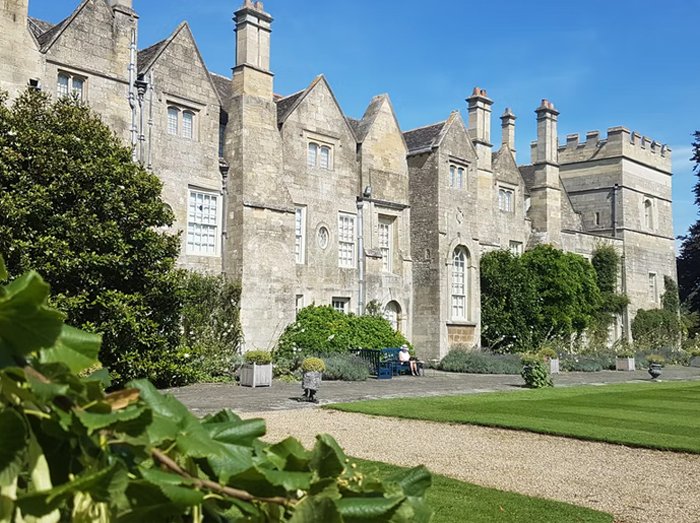
What is a Listed Building?
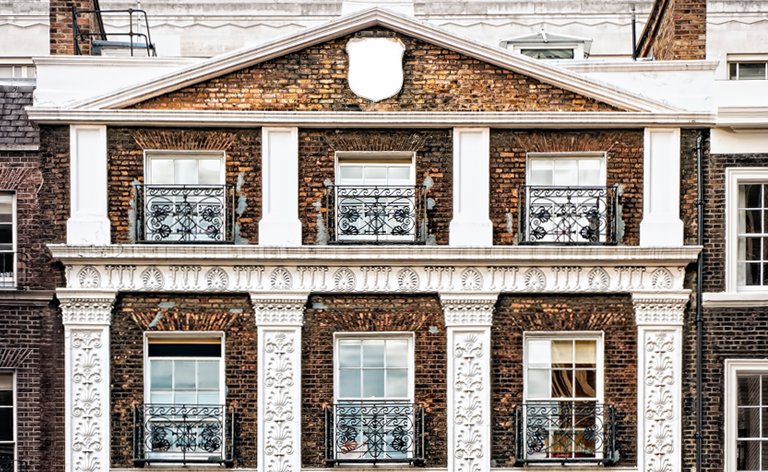
When you become the owner of a Listed Building, it is important to understand the challenges that lie before you especially when it comes to Listed Building windows replacement. The task of modernising a property is rarely straightforward because windows count as features protected by Grade 2 Listed Building restrictions.
However, owners can’t avoid window replacements in old buildings given they are likely to need improvements in noise reduction and energy efficiency, for example.
So if that’s you and you are asking if you need planning permission to change windows, the answer is normally yes. It is always worth contacting planning authorities to confirm any issues prior to starting any work. The same rules apply, incidentally, to replacing windows in a Conservation Area.
‘Listing’ describes the practice of protecting buildings of special historic interest, whether they are homes, public buildings, commercial properties or monuments.
In England and Wales, the authority for listing is granted to the Secretary of State by the Planning (Listed Buildings and Conservation Areas) Act 1990. In Scotland, the present legislation for listing buildings is guided by the Planning (Listed Buildings and Conservation Areas Scotland) Act 1997.
England’s Grade 1 Listed status is given to buildings of “exceptional” interest such as St Paul’s Cathedral, the Natural History Museum, Yorkshire’s Bronte Parsonage and the iconic Blackpool Tower.
Grade 2 Listed protection normally applies to more everyday properties. A small category of Grade 2* Listings for special interest buildings also exists. Over 90% of all Listed Buildings are Grade 2. This is the category most homes will sit in. Scotland has a similar Listed Building Scheme. More straightforwardly each category is labelled A, B or C.
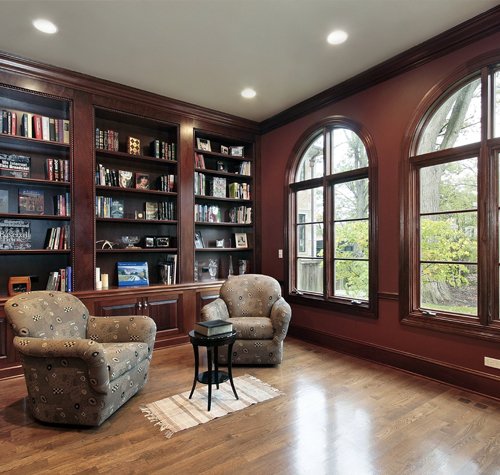
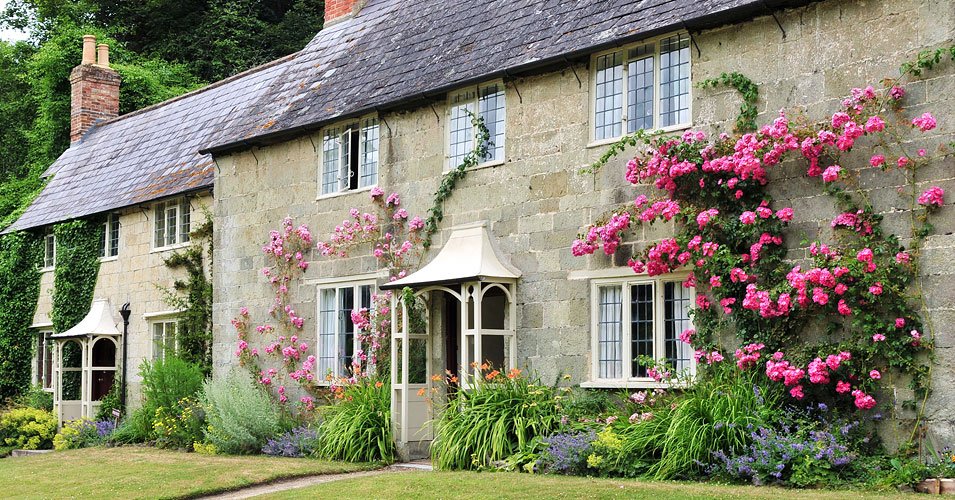
Wherever you live, one of the downfalls of living in a historic protected home is the need to gain planning permission for new windows, doors, roofing and other features contemporary homeowners needn’t worry about.
Unless you are planning a straight like-for-like replacement, there will typically be a planning approval process to go through. In this case, having specialist knowledge and experience of successful applications helps make success more likely.
If you are considering Listed Building window replacements, talking to the Hugo Carter team can save you a lot of time and money.
Hugo Carter: The Experts in Heritage Secondary Replacement Windows
As long-standing historic window replacement manufacturers, we have helped countless heritage homeowners comply with planning regulations while enjoying the latest in soundproof and energy-efficient windows. We’ve learned a few tricks of the trade to pass on to consumers to make sure new windows don’t fall foul of the planning authorities.
Check the Listed Status of Your Property
Every property built before 1700 is listed, as are most built between 1700 and 1840 but you should still check through your home’s documentation. Listed Status should feature on any survey or the deeds of your property. If in doubt you can contact English Heritage or Historic Scotland who should maintain records.
Consult your Local Council, English Heritage or Historic Scotland
All our experience demonstrates that early engagement with planning authorities proves worthwhile. There are clear benefits to discussing your ideas, understanding issues that might come up and planning around any potential problems before getting too far down the road of your project.
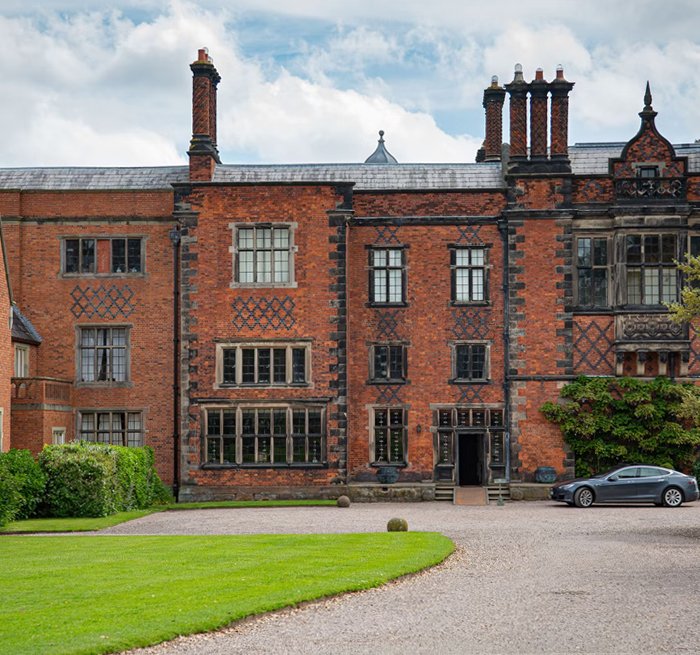
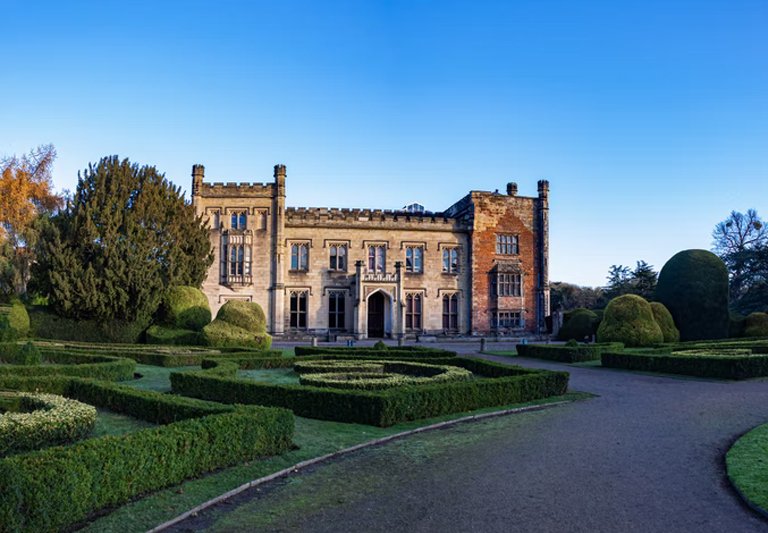
Consider Like-For-Like Window Replacement or Repair
The point of Listing Buildings and Conservation Areas is to maintain the look and feel of historic buildings as they make up an important part of our environment. Authorities generally prefer homeowners to repair old windows or at least install identical replacements.
The problem comes when you need to improve your windows’ performance. Road noise might have become too much for you or old windows may no longer be keeping your home warm enough. Then like-for-like replacements and repair look less attractive options.

Get Advice from Heritage Window Experts
Installing windows in historic and heritage buildings is specialist work. Not all window suppliers understand the challenges so it is important to select a partner with the right skills and experience. Hugo Carter has been installing bespoke wooden framed soundproof windows for decades. We know exactly what needs to be done to give you the home you want while complying with the rules and regulations.
Replacement Double Glazing in a Conservation Area or Listed Building
There are obvious reasons why you might want to replace your Listed Building’s historic single glazing with modern double glazing. You may wish to increase the efficiency of your home in terms of noise reduction and energy usage.
However, gaining an extra layer of protection and cutting down on draughts and noise levels inside your home can put you in conflict with Listed Building Regulations. The vast majority of modern double glazing counts as an unacceptable addition to the view of a historic building.
As a result, it is virtually impossible to secure consent to install double glazing in a Listed Building or a property in a conservation area in England. Scotland has slightly less severe regulation but it is still challenging to get approval North of the border.
Before you plan any works that include double glazing for your Listed Building windows, it is essential you take this on board and look for an alternative solution. Don’t worry. Hugo Carter has years of experience finding solutions that keep everyone happy.
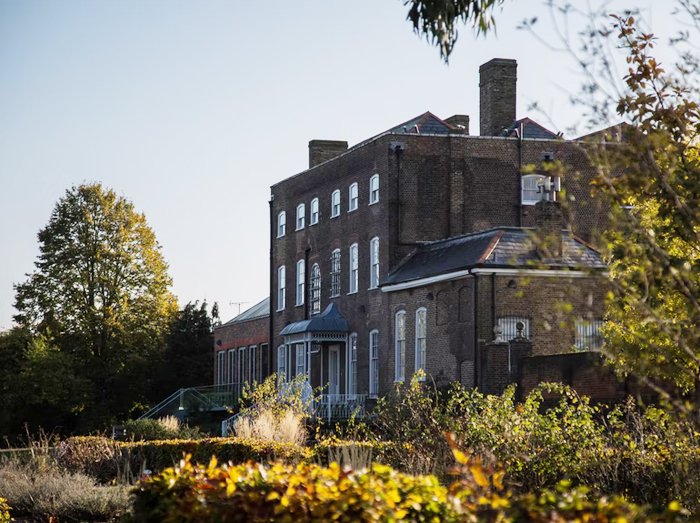
Double Glazed French Doors
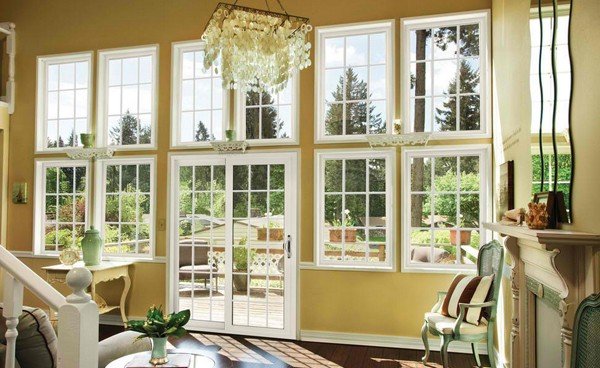
One solution that may assist with the efficiency of your home is French doors. Our bespoke heritage French doors are styled with a look and feel that will fit seamlessly into your home.
While the same requirement to respect the original external appearance of your home still applies, the fact that French doors tend to be fitted at the rear of your property may count in your favour.
Hugo Carter doors’ sturdy construction techniques and attention to detail may mean that you can achieve the security, noise reduction and energy efficiency you want with the addition of double glazed French doors to your Listed Building.
Getting Consent For Listed Building Improvements
It is generally possible to gain planning consent for replacement single glazed window installations in a style that means a like-for-like swap.
Hugo Carter has extensive experience in delivering new windows that are entirely sympathetic with the original appearance of Listed Buildings.
However, given the immense difficulty of gaining permission to install modern double glazing, there are two options when you want that extra layer of glass – temporary secondary glazing or a more robust secondary window. Hugo Carter has a great deal of expertise in manufacturing and installing the latter.
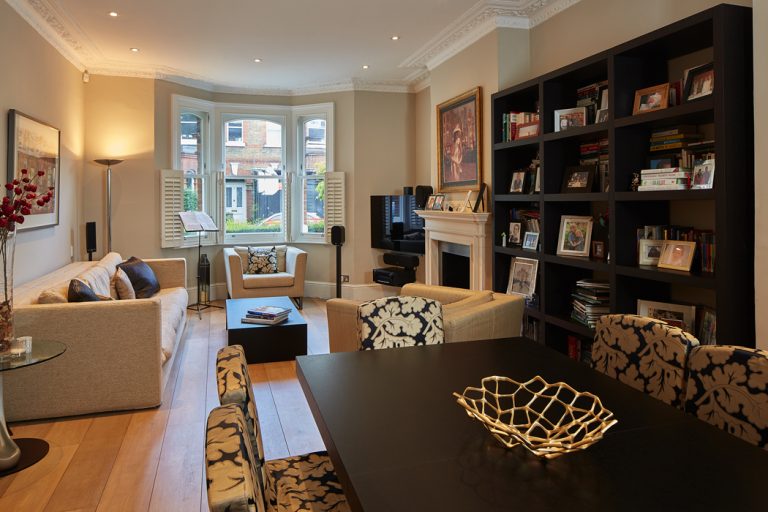
Double Glazed Window Replacements For Listed Buildings
Given the challenge of installing modern double glazed windows in Listed Buildings, it is worth looking at alternatives. Secondary glazing is a single piece of glass installed inside an existing window. Typically, it is constructed within a thin aluminium frame which is flimsy and not necessarily built to last.
At Hugo Carter, we provide secondary windows. These are more robust, easier on the eye and far superior in terms of the improvements in noise reduction and energy efficiency delivered.
This is because our secondary windows are constructed using a timber frame and double or triple glazed acoustic glass.
They deliver a huge benefit in terms of the amount of noise allowed into the property through your windows, while our expert fitting technicians ensure a significant reduction in the amount of heat that escapes too. You will notice the difference in your energy bills.
When you want to upgrade your Listed Building windows, the best solution may not be double glazing or secondary glazing, but rather a secondary window delivered by Hugo Carter.


Our Process
Step 1 – Initial Enquiry
Before contacting us, please make sure you have certain details to hand. These include: the property location and type (especially if it’s a listed building or in a
Step 2 – Initial Visit (Noise Assessment & Pricing Survey)
An acoustic specialist will talk you through your best options and – using a NTi XL2 Acoustic Analyser – give you an immediate idea of the different noise levels, and advise you on your best options. By agreeing to a Initial Visit there is no obligation to commit to our service; this is an opportunity to understand your needs more clearly.
Step 3 – Quotation & Noise Report
Based on the survey completed during the Initial Visit, our team will email a full costing within 72 hours. We will also provide a valuable Noise Report which explores our problem analysis, the level of noise pollution and our suggested solution. Within another 48 hours, we will follow up with a courtesy call, to ensure everything is clear.
Step 4 – Installation Survey
Once you’ve chosen to proceed with us and paid an initial deposit, we’ll arrange for senior surveyors to visit. By taking accurate ‘to the millimetre’ measurements, we can assess the best method of installation. We’ll also confirm your various aesthetic preferences (eg – which timber, paint colour and ironmongery), and will then pass your order to our factory.
Step 5 – Manufacture Updates
The manufacturing process takes approximately ten weeks. Every three weeks our customer service team will give you an update so you know how your windows are progressing.
Step 6 – Installation
Two weeks in advance, we’ll provide you with an installation date. For the installation, we use an acoustic foam to enhance the noise reduction. At no point will we leave the property unprotected or exposed; if one window comes out, another goes in. The entire installation will be overseen by a single project manager.
Step 7 – Follow Up
One week after the installation, we will follow up with a courtesy call. This to make sure that everything is to your satisfaction, and to answer any questions you have about making the most of your new windows or doors.
Read our Frequently Asked Questions
Can you put new windows in a Listed Building?
Yes, but planning permission for anything other than a like-for-like replacement can be very challenging. Certainly, modern double-glazed windows are rarely approved. The answer may be a secondary window from Hugo Carter.
Do you need planning permission to change windows on a Listed Building?
You need approval from the planning authorities for any changes to a Listed Building appearance. This includes the addition of modern windows, particularly those seen from the front of your home. Issues can be avoided by talking to Hugo Carter about alternative solutions.
Are double glazed windows allowed in Listed Buildings?
Listed Building permission for modern double glazed windows is rarely granted as they are seen as a major change to the look and feel of any historic building. Hugo Carter has a range of alternative solutions that have proven successful on a wide range of heritage buildings.
Do you need Listed Building consent for secondary glazing or secondary windows?
Generally, secondary glazing and secondary windows are approved within Listed Buildings as they are not considered fundamental changes to the property. Hugo Carter would always recommend checking with the authorities because every home and building is unique.
Can I upgrade my windows in a Listed Building?
Yes you can, but it is extremely unlikely that you will be able to do this in England by installing double glazing – no matter how accurately your new fitting matches the original windows.
What is the difference between secondary glazing and secondary windows?
Secondary glazing is a single sheet of glass, often mounted with Aluminium, that sits against the glass in an existing window. It is normally a temporary fitting to help with noise reduction and energy efficiency. A secondary window is a more complete unit designed to act as a window-within-a-window. More robust and effective, Hugo Carter generally recommends secondary windows in historic buildings. They make a major difference while keeping the planning authorities happy.
What restrictions are there for Grade II Listed Buildings?
Grade II Listed buildings are required to maintain their historic features. This includes windows. Permission to replace old windows with modern double glazing, for example, is rarely given. Hugo Carter has a range of alternatives though, so it is always worth talking to our team.
Can you install double glazing in listed buildings?
Installing double glazing in a listed building is not as simple or straightforward of an endeavour. Modern double glazing is unlikely to be allowed in Grade II Listed Buildings or conservation areas. You will need to get the right position before starting any installation work on your property. The good news is Hugo Carter has a range of alternatives for double glazing in listed buildings. Why not talk to us today?
What is the best practice for Grade II Listed Building window replacement?
The best practice for Grade II window placements always starts with talking to the planning authorities early in any window-replacement project so you know exactly what is allowed to be installed. We would then recommend talking to an expert in heritage windows like us.
How can I replace sash windows in a Grade II Listed Building?
You can replace sash windows, casement windows or any other style of window on a direct like-for-like basis. This, however, is unlikely to provide any improvement in soundproofing or energy efficiency. Hugo Carter has a range of alternative solutions for heritage properties that will deliver the performance you need and gain approval from planning authorities.
What should I do next?
Contact your local planning authorities to understand the issues you might face replacing windows, and then contact an expert in heritage windows – like us! The Hugo Carter team can make recommendations and guide you through the process of getting new windows.